
colored glass panels
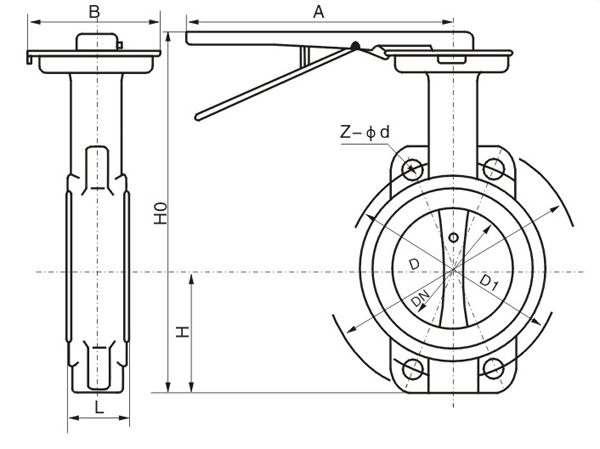
Understanding the 8 Inch Globe Valve A Comprehensive Overview In the world of fluid control systems, valves play a pivotal role in regulating the flow of liquids and gases. Among the various types of valves, the globe valve is widely recognized for its effectiveness in controlling flow. In this article, we’ll explore the 8-inch globe valve in detail, examining its design, functionality, applications, and advantages. What is a Globe Valve? A globe valve is a type of valve used to regulate fluid flow in pipelines. It features a spherical body with an internal baffle that allows for smooth passage of the flow. The critical property of a globe valve is its ability to control the flow rate by adjusting the position of the disc within the valve body. This design makes it suitable for applications requiring precise control of fluid flow. Features of the 8-Inch Globe Valve The designation “8-inch” refers to the valve's nominal size, which denotes the diameter of the valve's passageway. An 8-inch globe valve has a bore opening of approximately 8 inches, making it suitable for medium to large-scale applications. The body of the valve is typically made from materials such as stainless steel, carbon steel, or bronze, providing durability and corrosion resistance. Design and Functionality The design of an 8-inch globe valve consists of several key components the body, bonnet, disc, stem, and seat. The internal structure houses the flow control mechanism, while the external components provide ease of operation and maintenance. 1. Disc and Seat The disc is responsible for blocking or allowing flow through the valve. When the disc is lifted away from the seat, fluid can flow freely through the valve. Conversely, lowering the disc onto the seat restricts flow. The ability to adjust the disc's position allows for greater control over the fluid flow rate. 2. Bonnet The bonnet is the component that covers the valve body and houses the stem and disc. It provides access for maintenance and facilitates the mechanism for adjusting the flow. 3. Stem The stem connects the disc to the actuator, allowing for movement and adjustment. It can be operated manually or with an actuator for automated systems. 4. Flow Direction Globe valves can be oriented in various ways to suit specific pipeline configurations. The flow direction is generally from the bottom to the top, which promotes efficient flow through the valve. 8 inch globe valve Applications of the 8-Inch Globe Valve The 8-inch globe valve is commonly used in various industries due to its versatility and reliability. Typical applications include - Water Treatment Plants These valves control the flow of water and chemicals during purification processes. - Oil and Gas Industry Globe valves regulate the flow of hydrocarbons and gases in pipelines and processing plants. - Power Generation Used in steam systems to manage feedwater and steam flow. - HVAC Systems Globe valves help maintain temperature and flow in heating, ventilation, and air-conditioning systems. Advantages of Using an 8-Inch Globe Valve Several advantages make globe valves an ideal choice for numerous applications 1. Flow Control The design of globe valves allows for excellent flow control and throttling capabilities, crucial in systems requiring precise regulation. 2. Durability Constructed from robust materials, 8-inch globe valves withstand pressure and temperature fluctuations, ensuring longevity and reliability. 3. Versatility They can handle a wide range of fluids, including corrosive and viscous substances, making them suitable for diverse applications. 4. Space-Efficient Design Despite their size, globe valves can be compactly integrated into existing systems, optimizing space without compromising performance. 5. Low Noise Operation When correctly sized and applied, globe valves typically produce less noise during operation compared to other valve types. Conclusion The 8-inch globe valve is an essential component in various fluid control systems, offering remarkable control, durability, and versatility. As industries continue to evolve and require more sophisticated solutions for fluid management, the relevance of the globe valve, particularly the 8-inch version, is likely to remain significant. Understanding the characteristics and applications of this valve empowers engineers and maintenance professionals to make informed decisions, ensuring efficient and reliable operation in their systems.
about
colored glass panels
Surface Plate Calibration Ensuring Precision in Manufacturing In the realm of precision engineering and manufacturing, the surface plate calibration stands as a cornerstone for maintaining accuracy in measurement and machining processes. This meticulous procedure ensures that the reference surfaces used in various industrial applications are true to their intended flatness, parallelism, and squareness, ultimately guaranteeing the high quality of finished products. The process of surface plate calibration involves a series of steps designed to verify and correct any deviations from flatness that may have occurred over time or due to environmental factors such as temperature changes, vibration, or mishandling. Technicians typically employ specialized instruments like autocollimators, electronic levels, and laser interferometers to map the topography of the plate's surface and identify any high or low spots. One common method is the reversal technique, where the measuring instrument is placed on the plate and then both the instrument and the plate are rotated 180 degrees. Any deviations detected are then averaged out, providing a clearer indication of the plate's actual flatness. Additionally, crossing levels at 90-degree angles can determine the plate’s squareness, while parallelism is checked by comparing measurements taken across opposite sides of the plate. The importance of surface plate calibration cannot be overstated, as even minor discrepancies can lead to significant errors in the manufacturing process. For instance, if a surface plate used for machining operations is not accurately calibrated, it can result in misaligned parts or assemblies, affecting the product's performance and durability For instance, if a surface plate used for machining operations is not accurately calibrated, it can result in misaligned parts or assemblies, affecting the product's performance and durability For instance, if a surface plate used for machining operations is not accurately calibrated, it can result in misaligned parts or assemblies, affecting the product's performance and durability For instance, if a surface plate used for machining operations is not accurately calibrated, it can result in misaligned parts or assemblies, affecting the product's performance and durability surface plate calibration . In industries where exacting standards are paramount, such as aerospace and microelectronics, these inaccuracies can have catastrophic consequences. Moreover, regular calibration serves a preventive function by identifying wear and tear before it becomes a critical issue. By catching imperfections early, maintenance can be scheduled proactively, avoiding costly downtime and extending the lifespan of the equipment. It also supports continuous improvement initiatives by offering data-driven insights into the working conditions of machinery and the environment they operate in. In conclusion, surface plate calibration is an essential practice within the manufacturing sector, ensuring that tools and components meet stringent quality standards. Through precise measurement and correction, this process safeguards against inaccuracies that could compromise the integrity of end products. As technology advances and tolerances tighten, the art of surface plate calibration remains a vital skill, preserving the delicate balance between precision and performance in the world of manufacturing.
-

High quality industrial productsagement

High quality industrial products
View Details -

Meet the diverse needs of customers

Meet the diverse needs of customers
View Details -

Strict quality control

Strict quality control
View Details -

Top raw materials

Top raw materials
View Details -

Trusted supplier

Trusted supplier
View Details
Our application



news and information
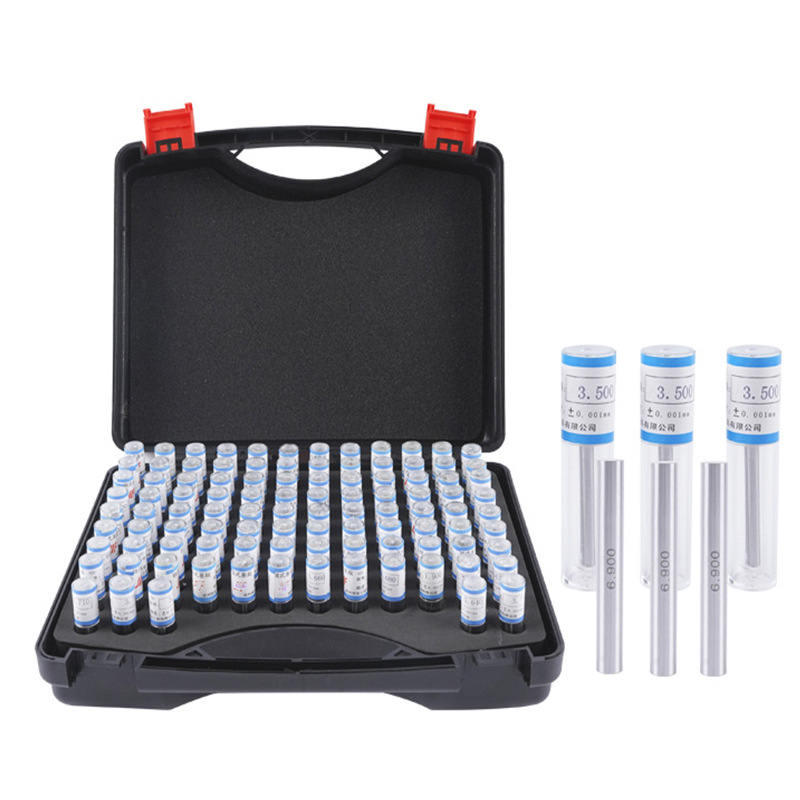
various types of control valves
Various Types of Control Valves Control valves are critical components in a range of engineering app
Water valve fails to close properly and leaks persist
Troubleshooting a Water Valve That Won't Shut Off Encountering a water valve that refuses to shut of

Vibration Isolation Pads for Enhanced Equipment Performance and Longevity
Understanding Vibration Mounting Pads Importance and Applications Vibration isolation is a critical
 English